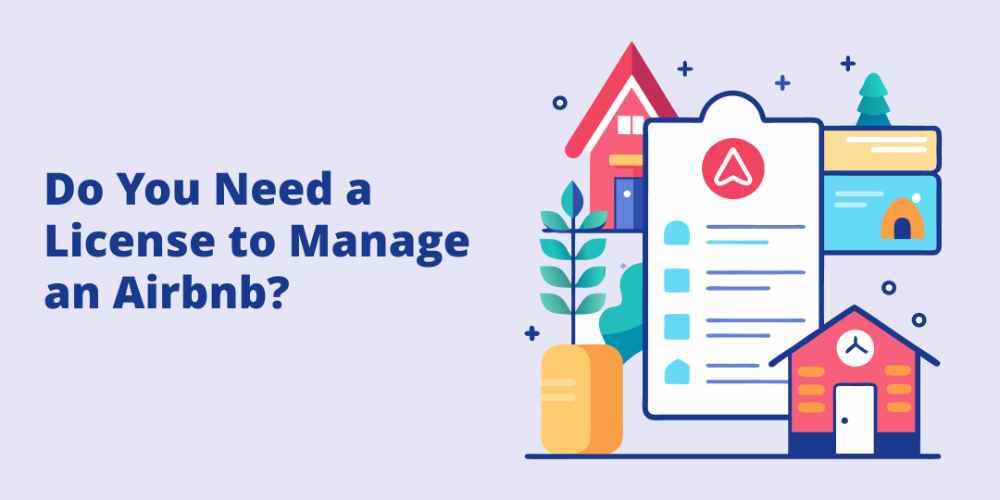
Before you set up your Airbnb, furnish the unit, or list your space online, there’s one question most first-time hosts ask: Do I need a license to legally do this? The answer? It depends on where you live—and ignoring it can cost you big. Cities, counties, and provinces have cracked down hard on short-term rentals. If you don’t know the rules, you could get hit with surprise inspections, complaints from neighbors, or fines that wipe out your profits. Here’s what you need to know before going live.
1. Airbnb Doesn’t Handle Licensing for You
Many new hosts assume Airbnb takes care of the legal stuff. They don’t. It’s 100% your responsibility to check your local short-term rental rules, register your property if required, and get a license if your municipality demands it. Airbnb may remind you—but they won’t block your listing if you skip this step.
2. What to Check in Your City or Region
- Do you need to register your unit with the city or get a business license?
- Are short-term rentals only allowed in your primary residence?
- Are there zoning laws or condo bylaws that prohibit STRs?
- Is there a cap on how many nights per year you can host?
- Do you need to collect taxes or submit reports?
Google “short-term rental rules + [your city]” or call your local municipal office to find out.
3. Common Cities With STR Rules (and What They Require)
- Toronto, ON: Must register with the city. Only allowed in primary residence. Annual registration fee.
- Vancouver, BC: Business license required. Primary residence only. Heavy enforcement.
- Ottawa, ON: New bylaws limit secondary suites. Registration mandatory.
- Montreal, QC: Registration required. Certificate from the tourism board.
- Calgary, AB: Business license and zoning check.
- Mississauga & Brampton: Vary by property type. Often limited to principal residence.
Bottom line: Most major Canadian cities now have STR restrictions. Know yours.
4. What Happens If You Skip the Paperwork?
- Listing removal by Airbnb (if reported)
- Surprise city inspections
- Fines ranging from $500 to $10,000+
- Angry neighbors reporting you to the city
- Possible ban from hosting in your municipality
Playing it fast and loose may work for a few months—but it’s not a sustainable strategy. And the cost of doing it wrong is usually way more than the cost of doing it right.
5. What If You’re Outside a Major City?
If you’re in a small town or rural area, there may be fewer regulations—but that doesn’t mean zero. Always check with your municipality. Some areas are just starting to introduce licensing, especially if tourism is growing fast.
6. How to Stay Compliant (Without the Headache)
- Register your property early—even if you're still setting it up
- Use Airbnb’s tax collection tool (where available)
- Keep a digital folder with all your licenses, receipts, and registration numbers
- Use a co-hosting team (like us) to stay ahead of new regulations, renewals, and reporting
You Don’t Have to Figure This Out Alone
The legal side of Airbnb can feel overwhelming—but you don’t have to navigate it by yourself. At BookedHosts, we help new and experienced hosts handle setup, compliance, platform optimization, and full virtual co-hosting. Want help making sure your property is legal and listing-ready? Email info@bookedhosts.com or scroll down to submit your property today.